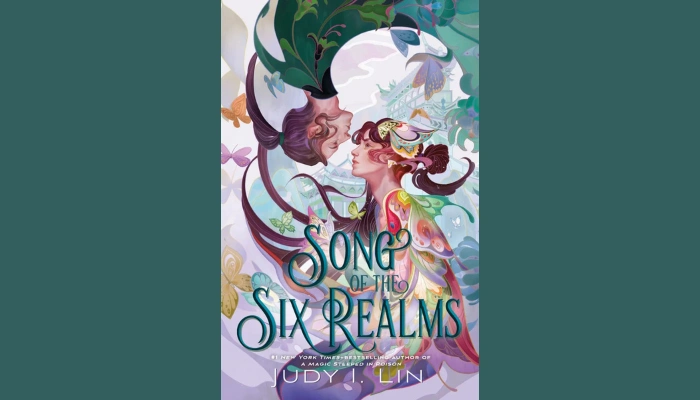
The world of fantasy literature is vast and mesmerizing, yet some stories manage to stand out by blending rich mythology with compelling storytelling. One such novel that has caught the attention of readers and reviewers alike is “Song Of The Six Realms” by Judy I. Lin. This book not only transports readers into a magical realm but also weaves in profound lessons about human nature, karma, and personal growth. In this article, we will explore the Song Of The Six Realms meaning, its significance, and why it has become a must-read for fantasy enthusiasts.
Content
Introduction: Stepping Into the Six Realms
When I first picked up Song Of The Six Realms, I wasn’t sure what to expect. Having read Lin’s previous works, I knew I could anticipate an intricate plot and captivating world-building. However, this novel surprised me by diving deep into philosophical themes while maintaining an engaging storyline. The book explores six realms, each representing a facet of human existence, from desire and suffering to enlightenment.
For readers unfamiliar with Buddhist concepts, the Six Realms of existence might initially seem abstract. But Lin’s storytelling transforms them into tangible, relatable experiences that resonate on a personal level. By the time I reached the mid-point, I felt as though I had walked alongside the protagonist, experiencing their joys, fears, and revelations firsthand.
Plot Overview: Journey Through the Realms
The narrative follows Xue, a young protagonist who finds herself navigating through the mystical six realms, each representing a distinct layer of experience and emotion. Lin expertly balances action, introspection, and cultural nuance, giving readers a sense of being both a participant and an observer.
Unlike many fantasy novels that focus solely on action or romance, Song Of The Six Realms dedicates time to character growth. Xue’s journey isn’t just physical—it’s also deeply spiritual. Each realm challenges her beliefs, tests her morality, and ultimately teaches her important lessons about compassion, resilience, and self-awareness.
Real-Life Case Study: Applying the Six Realms in Everyday Life
To better understand the novel’s impact, I spoke with a friend who is a mindfulness coach. She introduced me to the practical relevance of the Six Realms in daily life. For example, she explained how the “Realm of Anger” often manifests as frustration in modern work environments, while the “Realm of Desire” can appear as the constant chase for material success. By reflecting on these realms, individuals can cultivate mindfulness, empathy, and better decision-making.
After discussing this with her, I realized that Lin’s novel is more than a fantasy story—it’s a framework for understanding human behavior and emotional growth. Readers can take lessons from Xue’s journey and apply them to their personal or professional lives, making the story resonate far beyond its pages.
One of the strongest aspects of Song Of The Six Realms is its character development. Xue’s evolution from a naive and reactive individual to a reflective and empowered one is both believable and inspiring. Lin uses subtle cues—like internal monologues, dialogue, and interactions with secondary characters—to reveal the protagonist’s growth over time.
The book also explores themes such as:
Karma and personal responsibility: Each choice Xue makes has consequences, illustrating the cause-and-effect principle central to the Six Realms.
Empathy and compassion: Encounters in different realms force Xue to consider the perspectives of others.
Balance between desire and detachment: A recurring theme that highlights the tension between worldly ambitions and spiritual growth.
These themes are carefully interwoven into the narrative, creating a rich tapestry that keeps readers engaged while delivering meaningful lessons.
World-Building and Mythology
The immersive world-building in Song Of The Six Realms is impressive. Lin draws inspiration from Eastern mythology, seamlessly integrating cultural elements without overwhelming the reader. Each realm is vividly described, from its landscapes to its inhabitants, making it easy to visualize and emotionally connect with the story.
The novel’s mythology is not just decorative—it serves a didactic purpose. The realms act as mirrors reflecting human tendencies, desires, and fears. By exploring these symbolic spaces, readers can gain insights into their own emotional and spiritual journeys. This approach also makes the novel an excellent starting point for anyone interested in learning about the Six Realms in Buddhism in a more narrative-driven, approachable way.
Romance and Emotional Arc
While the book’s core lies in personal growth and adventure, Lin also incorporates a subtle romantic subplot. This isn’t a typical fantasy romance—it’s understated, meaningful, and intertwined with the protagonist’s personal development. The romance enhances Xue’s emotional journey without overshadowing the philosophical aspects of the story.
The emotional arc is carefully constructed, with highs and lows that mirror real-life experiences. Readers are likely to find themselves emotionally invested, cheering for Xue, empathizing with her struggles, and celebrating her victories.
Why This Book Matters
In a literary landscape crowded with high-fantasy adventures, Song Of The Six Realms stands out for its:
Thoughtful integration of philosophy: The book conveys profound lessons about life, choices, and consequences without feeling preachy.
Strong, relatable protagonist: Xue’s growth feels organic, making her a character readers can root for.
Practical relevance: As highlighted in our real-life case study, the realms offer insights that extend beyond fiction into personal development.
Readers looking for a book that combines fantasy, philosophy, and emotional depth will find this novel both entertaining and enlightening.
Conclusion: A Must-Read for Thoughtful Fantasy Lovers
Song Of The Six Realms is more than just a fantasy adventure; it’s a guide for reflection. Judy I. Lin’s mastery of storytelling transforms ancient concepts into a captivating, modern narrative. Whether you’re a fantasy fan, a student of Eastern philosophy, or simply a reader looking for a meaningful story, this book offers something unique.
From its intricate plot and immersive world-building to its relatable protagonist and real-life applicability, the novel demonstrates how literature can entertain while fostering understanding of the human experience. For anyone curious about the Song Of The Six Realms explained or interested in exploring the Six Realms meaning, this book is a highly recommended read.
If you enjoyed this review, check out our detailed take on Not Quite Dead Yet, another thrilling fantasy novel worth reading.
FAQs
Is Song of the Six Realms a standalone?
Yes, Song Of The Six Realms is a standalone novel that can be enjoyed without reading any prior books.
Is Song of the Six Realms part of a series?
No, this book is not part of a series, making it easy for new readers to dive in directly.
What myths inspired the Song of the Six Realms?
The novel draws inspiration from Buddhist and Eastern myths, blending ancient teachings with a fantasy narrative.
Who is the target audience for Song of the Six Realms?
The book appeals to fantasy lovers, readers of Eastern mythology, and those seeking thought-provoking stories.
Oliver is our non-fiction aficionado. He believes in the power of learning through books. Explore his curated selection of informative reads to expand your horizons.