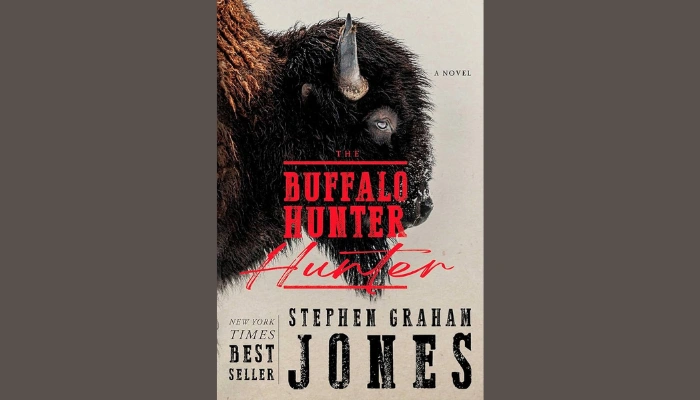
The Buffalo Hunter Hunter is a deeply layered horror novel that goes beyond traditional genre expectations. Written by acclaimed Indigenous author Stephen Graham Jones, the book combines historical trauma, psychological horror, and supernatural elements into a narrative that is both unsettling and thought-provoking.
This article provides a structured and professional breakdown of the novel, including its plot, themes, character analysis, writing style, and reader experience insights.
Content
Overview of The Buffalo Hunter Hunter
The Buffalo Hunter Hunter is a historical horror novel set in early 20th-century North America, a time marked by cultural violence, displacement, and colonial impact on Indigenous communities.
The story revolves around themes of survival, revenge, and spiritual unrest. It is not a conventional horror narrative driven by jump scares or monsters. Instead, it builds tension through historical memory, emotional depth, and psychological unease.
Readers often search for a The Buffalo Hunter Hunter book summary to understand its premise, but the novel resists simple explanation. It is structured in a way that gradually reveals its meaning through fragmented storytelling and layered timelines.
Plot Summary
The novel follows a nonlinear structure that blends memory, myth, and historical reality. The narrative centers on violence tied to buffalo hunting and its symbolic connection to cultural destruction.
As the story progresses, supernatural elements begin to emerge, blurring the boundary between reality and myth. Rather than presenting a straightforward sequence of events, the novel requires readers to piece together meaning from fragmented narrative threads.
A commonly used search phrase, The Buffalo Hunter Hunter summary explained, reflects the difficulty readers face in summarizing the story in traditional terms.
Major Themes in The Buffalo Hunter Hunter
Historical Trauma
The novel presents historical trauma not as background context but as an active and ongoing presence. Violence against Indigenous communities is central to the emotional and narrative structure of the book.
Revenge and Moral Complexity
Revenge is a driving force in the narrative, but it is never presented as simple justice. Instead, it raises ethical questions about cycles of violence and the cost of retaliation.
Identity and Cultural Erasure
Characters in the novel struggle with identity in the face of cultural suppression and historical erasure. This theme is closely tied to the broader historical context of Indigenous experiences.
Horror as Memory
Rather than relying on external threats, the horror in the novel emerges from memory, history, and unresolved trauma. The past is portrayed as something that continues to influence the present.
The central figure, often referred to in literary discussions as Good Stab, represents moral complexity rather than traditional heroism or villainy.
He is portrayed as a survivor shaped by violence, loss, and historical injustice. His actions reflect both personal grief and broader cultural trauma.
Readers searching for The Buffalo Hunter Hunter character analysis and meaning often highlight the character’s symbolic role in representing generational suffering and moral ambiguity.
Rather than offering clear moral alignment, the novel presents characters as deeply human and conflicted.
Writing Style and Narrative Technique
Stephen Graham Jones employs a distinctive narrative style characterized by fragmentation and emotional intensity.
The writing features non-linear timelines, shifting perspectives, and introspective narration. Dialogue is minimal, with emphasis placed on atmosphere and internal reflection.
The tone is restrained, dark, and reflective. Instead of providing direct explanations, the narrative encourages readers to interpret meaning through context and symbolism.
This approach aligns with modern horror literature analysis, where interpretation plays a central role in the reading experience.
Real-Life Reading Experience Case Study
A useful way to understand the novel’s impact is through reader response.
In a small online reading group, participants selected The Buffalo Hunter Hunter for a horror literature discussion. Initial reactions varied significantly, with many readers expecting a conventional horror story.
During the early sections, confusion was common due to the fragmented narrative structure. However, as discussions progressed, readers began identifying recurring patterns such as symbolic references to buffalo, violence, and historical memory.
By the end of the reading experience, the group described the novel as emotionally intense and intellectually demanding. Common reflections included descriptions of the book as unsettling, memorable, and thematically complex.
This case highlights why searches such as Why The Buffalo Hunter Hunter is important in modern horror fiction are increasingly common. The novel is not designed for passive reading but for active interpretation and discussion.
Symbolism in the Novel
Symbolism plays a central role in the narrative structure.
Buffalo represent cultural survival and destruction, reflecting both historical reality and metaphorical meaning. Blood symbolizes generational trauma and violence, while silence represents erased history and suppressed narratives.
These symbols are not explicitly explained within the text but are revealed gradually through repetition and narrative context.
Why the Novel Stands Out
The Buffalo Hunter Hunter differs from conventional horror fiction in several important ways.
It combines historical fiction with supernatural horror, focuses on emotional and psychological realism, and challenges traditional narrative structure. The novel requires readers to engage actively with its themes rather than passively consume the story.
This makes it a significant contribution to Indigenous horror storytelling and contemporary literary horror.
Conclusion
The Buffalo Hunter Hunter is a complex and emotionally charged novel that blends horror with historical reflection. Rather than offering simple entertainment, it presents a layered narrative that explores memory, trauma, and identity.
The book stands out for its symbolic depth, fragmented structure, and psychological intensity. It challenges readers to interpret meaning rather than receive it directly, making it a notable example of modern literary horror.
Explore more literary insights in our detailed guide on Heart the Lover, a compelling novel worth reading for fans of deep emotional storytelling and character-driven fiction.
FAQs
What is the story of The Buffalo Hunter Hunter?
A historical horror tale blending revenge, trauma, and supernatural elements in Indigenous history.
Is Buffalo Hunter Hunter worth reading?
Yes, it’s a unique horror novel offering deep themes, emotional intensity, and layered storytelling.
Will there be a The Buffalo Hunter Hunter movie?
There is no official confirmation yet about a film adaptation of The Buffalo Hunter Hunter.
What does three persons mean in Buffalo Hunter Hunter?
It refers to narrative perspective shifts used to show different layers of identity and memory.
Oliver is our non-fiction aficionado. He believes in the power of learning through books. Explore his curated selection of informative reads to expand your horizons.