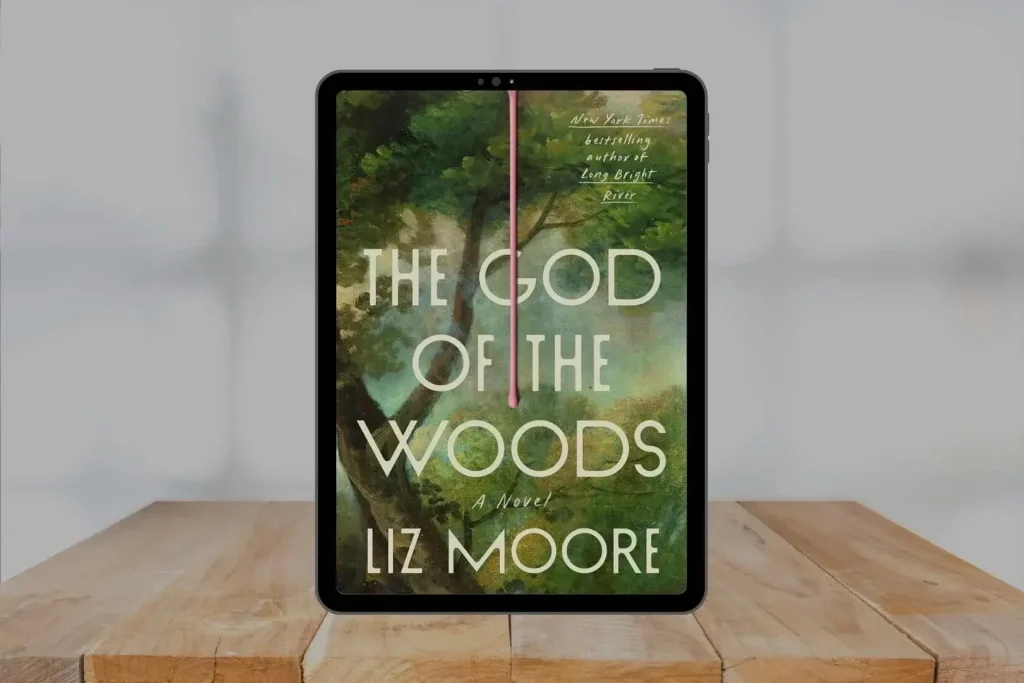
Beneath a canopy of ancient trees lies a story woven from mystery, memory, and the quiet power of the natural world. The God Of The Woods draws readers into a lush, atmospheric journey where the forest itself feels alive—its rustling leaves and shifting shadows holding secrets waiting to be uncovered. Through a carefully crafted narrative, it explores how nature can heal, challenge, and transform those who dare to step beyond the edge of the familiar. This is not just a novel about a place—it’s about the bond between people and the wild, and the lessons whispered in the stillness of the woods.
Content
The God Of The Woods Reviews
Readers describe the book as “an elegy in green and gold—tender, unsettling, unforgettable” and “a quiet masterpiece that lingers long after the last page.” Many The God Of The Woods Reviews praise its poetic tone, layered themes, and its ability to evoke a sense of reverence for the natural world. It is often celebrated for redefining fantasy without relying on epic battles or flashy magic, focusing instead on introspection and atmosphere.
Synopsis Of The God Of The Woods
Imagine a story where the forest isn’t just a backdrop but a living, breathing character. In The God Of The Woods, a weary traveler stumbles into an enchanted woodland. There, the forest’s ancient deity—a spectral figure—guides, challenges, and sometimes unsettles them. This Synopsis Of The God Of The Woods reveals a journey of self-discovery, steeped in mystery and shaped by humanity’s complicated bond with the natural world.
The God Of The Wood Summary
At its heart, The God Of The Woods Summary follows the emotional transformation of the protagonist. Arriving lost and uncertain, they gradually learn the rhythms of the forest. The god of the woods—neither entirely benevolent nor cruel—offers cryptic lessons. Along the way, the traveler confronts personal regrets, discovers unexpected truths, and begins to understand their place in a larger story. By the end, they leave changed, with a deeper awareness of life’s fragility and beauty.
The God Of The Wood Characters
The central figure is the traveler, a soul searching for purpose and peace. The god of the woods appears as a towering presence woven from branches, shadows, and wind—speaking rarely, yet leaving a lasting impact. Ethereal forest spirits drift in and out, sometimes offering guidance, other times testing the traveler’s resolve. A reclusive elder druid, hinted at through fragments of lore, deepens the mythic weight of the story. These characters together shape a narrative about belonging, change, and the delicate relationship between humanity and nature.
The God Of The Wood Page Count
With a modest Page Count of roughly two hundred to two hundred fifty pages, the story maintains a tight, intimate focus. Each page feels intentional, balancing lush description with quiet moments of revelation. The concise structure ensures the mystery never overstays its welcome.
The God Of The Woods Genres
In terms of The God Of The Woods Genres, the book blends Mythic Fiction, Fantasy, and Literary Magical Realism. The forest feels grounded in reality, while the presence of the god and the supernatural undercurrent push it into fantasy. Its lyrical prose and emotional layers align it closely with literary fiction, offering a reading experience that’s as thought-provoking as it is immersive.
The God Of The Wood Analysis
The story invites multiple interpretations. In The God Of The Woods Analysis, nature operates as both a setting and a mirror for the protagonist’s inner life. The deity’s ambiguous role forces readers to question whether divinity offers comfort, challenge, or both. Silence and stillness play key roles, allowing the environment and the protagonist’s thoughts to speak louder than words. Above all, the story reflects a universal longing for connection, meaning, and redemption.
Liz Moore Books Connection
Although The God Of The Woods stands alone, it shares a thematic kinship with Liz Moore Books, which often explore memory, grief, and unseen worlds beneath everyday life. Fans of Moore’s work—such as Long Bright River—will recognize similar emotional depth, meticulous character work, and a blend of realism with the otherworldly.
Conclusion
The God Of The Woods draws readers into a hushed, green world where myth and introspection entwine. With its concise Page Count, unforgettable Characters, and balanced mix of Genres, it speaks to those who crave quiet, soul-stirring stories. The forest’s god is not simply a character but a force—both challenging and guiding—reminding us of nature’s power to transform. Whether approached as a fable, a piece of literary magic, or a reflection on humanity’s place in the world, it leaves an indelible mark.
You can explore our detailed review of Here One Moment for another captivating literary journey.
FAQs
Is The God of the Woods worth reading?
Yes, it’s a beautifully written, atmospheric story that blends myth, mystery, and nature in a deeply moving way.
Is The God of the Woods a true story?
No, it’s a work of fiction, though it draws inspiration from folklore, mythology, and humanity’s relationship with the natural world.
Who was the Greek god of the woods?
In Greek mythology, Pan is often considered the god of the woods, shepherds, and wild nature.
Who is the god of wood?
Various cultures have deities linked to trees or forests, but in mythology, gods like Pan or Silvanus are associated with woodlands.
Oliver is our non-fiction aficionado. He believes in the power of learning through books. Explore his curated selection of informative reads to expand your horizons.